
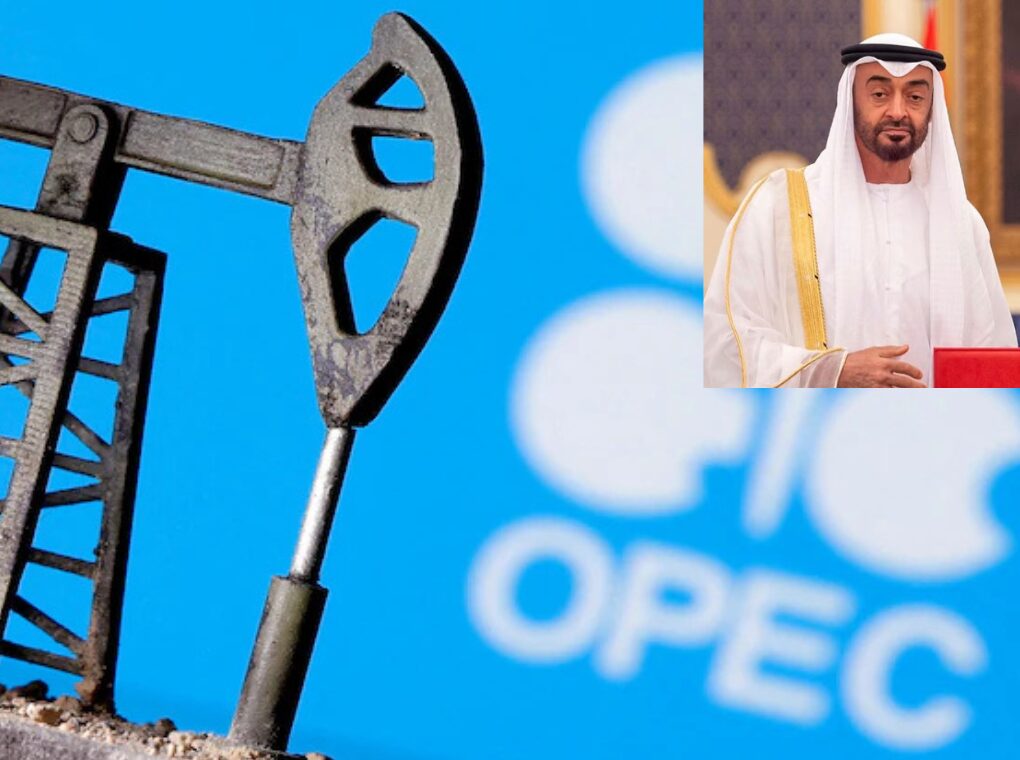
In a shocking move that could reshape the global oil market, the Organization of the Petroleum Exporting Countries is set to lose one of its most influential members as the United Arab Emirates announced it will officially exit the bloc on May 1, 2026. The decision comes at a time of heightened geopolitical tensions in the Middle East, particularly due to the ongoing conflict involving Iran, and signals a major shift in the UAE’s long-term energy and economic strategy.
A Historic Exit After Nearly Six Decades
The UAE joined OPEC in 1967, just seven years after the organization was founded in 1960. Over the decades, it has grown into one of the cartel’s most significant producers, ranking as the third-largest oil producer within OPEC after Saudi Arabia and Iraq. Its departure marks the first major exit by a core Gulf producer in years and raises serious questions about the unity and future influence of the group.
The announcement was made via the UAE’s Energy Ministry, which stated that the decision followed a “comprehensive review” of national production policies and strategic priorities. Officials emphasized that the move aligns with the country’s evolving energy profile and long-term economic vision.
Iran Conflict and Strait of Hormuz Crisis
A key factor behind the decision appears to be the intensifying regional conflict, particularly involving Iran. In recent weeks, the UAE has reportedly faced missile and drone attacks attributed to Tehran. Additionally, disruptions in the Strait of Hormuz—a critical chokepoint through which nearly 20% of global oil passes—have significantly impacted the UAE’s ability to export crude.
These security concerns have exposed limitations within OPEC’s consensus-based framework. With Iran itself being a founding member of OPEC, the UAE’s ability to respond decisively to threats and protect its oil infrastructure has been constrained by the bloc’s internal dynamics.
By exiting OPEC, Abu Dhabi gains greater autonomy to adjust production levels, forge new alliances, and secure its energy exports without being bound by collective decision-making processes.
Push for Higher Production Capacity
Another major driver of the UAE’s exit is its ambitious plan to expand oil production. The country aims to increase its production capacity to 5 million barrels per day by 2027, largely driven by investments from the Abu Dhabi National Oil Company.
However, OPEC’s quota system has historically limited how much oil member countries can produce, often forcing nations like the UAE to operate below their full capacity. Energy Minister Suhail Al Mazrouei made it clear that leaving OPEC would allow the country to pursue its production goals more freely.
“This decision is about maximizing our national potential while maintaining stability in global markets,” Al Mazrouei said, adding that the exit is not directed against fellow OPEC members.
Commitment to Market Stability
Despite the departure, the UAE has reiterated its commitment to global energy stability. Officials stated that the country will continue to cooperate with both producers and consumers to ensure balanced oil markets.
The UAE also emphasized that its exit would be managed in a way that minimizes disruption. Production increases will be gradual and aligned with market demand, aiming to avoid sudden price shocks.
Impact on Global Oil Markets
The UAE’s exit is expected to have far-reaching implications for global oil markets. OPEC has traditionally functioned as a “central bank” for oil, regulating supply to stabilize prices. Losing a major producer like the UAE weakens its ability to control global supply dynamics.
In the short term, increased UAE production could put downward pressure on oil prices, benefiting major importers such as India. However, it could also lead to greater market volatility, especially amid ongoing geopolitical tensions.
Moreover, the move may set a precedent for other OPEC members. If countries begin prioritizing national interests over collective agreements, the cohesion of the cartel could erode further.
Broader Economic Transformation
The UAE’s decision is also tied to its broader economic diversification strategy. While oil remains a cornerstone of its economy, the country is investing heavily in sectors such as technology, renewable energy, and finance to reduce long-term dependence on hydrocarbons.
Ironically, achieving this transition requires maximizing oil revenues in the short term. By increasing production and capitalizing on its resources, the UAE aims to fund its shift toward a knowledge-based economy.
What Lies Ahead ?
The exit of the UAE from OPEC marks a turning point not just for the organization, but for the global energy landscape. It highlights the growing tension between national priorities and collective market management in an increasingly volatile geopolitical environment.
As the Iran conflict continues to disrupt regional stability and global supply chains, the UAE’s move could accelerate changes in how oil markets are governed. Whether this leads to a more competitive and flexible market or increased instability remains to be seen.
For now, one thing is clear: the global oil order is entering a new and uncertain phase.