
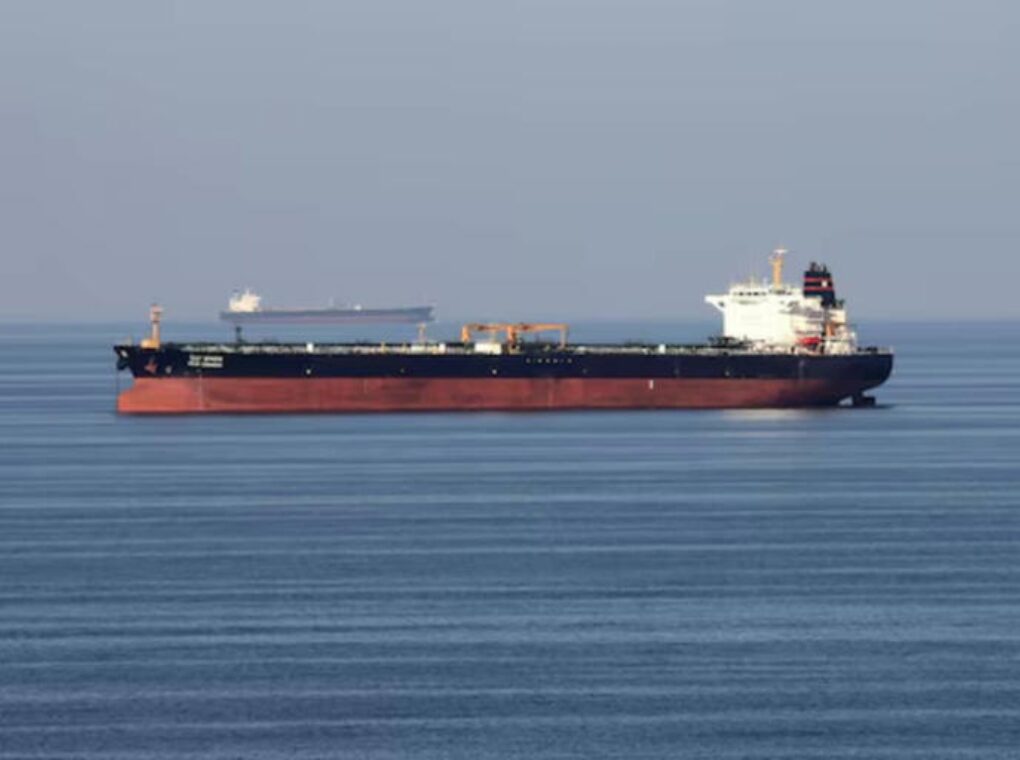
Amid escalating tensions between the Iran and the United States, key Middle Eastern powers—including Saudi Arabia, the United Arab Emirates, and Turkey—are fast-tracking ambitious plans to establish alternative trade and energy corridors that bypass the strategically sensitive Strait of Hormuz.
The move comes after recent disruptions to global shipping routes caused by military tensions, blockades, and attacks in the Gulf region. According to reports, including one by the South China Morning Post, regional governments are now investing heavily in overland rail networks, integrated sea-land logistics corridors, and cross-border pipeline systems to reduce reliance on vulnerable maritime chokepoints.
Strategic Shift Away from Risk-Prone Routes
The Strait of Hormuz, through which nearly a fifth of the world’s oil supply passes, has long been considered one of the most critical yet fragile trade arteries. Recent geopolitical tensions have exposed its vulnerability, prompting what analysts describe as a “structural shift” in regional logistics strategy.
Instead of relying solely on maritime routes passing through Hormuz and the Red Sea, countries are now developing diversified supply chains that integrate ports, railways, and inland transport systems. The goal is to ensure uninterrupted trade and energy flows even during times of conflict.
Emerging Sea-Land Corridors
One of the most significant developments is the creation of hybrid sea-land corridors linking ports outside the Persian Gulf to inland destinations. Ports such as Fujairah and Khor Fakkan in the UAE—both located on the Gulf of Oman and outside Hormuz—are becoming critical nodes in this new network.
Cargo arriving at these ports is transported via rail through Saudi Arabia and onward to Jordan. From there, goods can either move to the Mediterranean via the Suez Canal or be redirected to Syrian ports, offering multiple routing options.
Some of these corridors are already operational. Earlier this year, integrated logistics services connecting UAE ports to Saudi infrastructure and further to Jordan were successfully launched, marking a major step toward regional connectivity.
Saudi Arabia’s NEOM Initiative
Saudi Arabia is also playing a central role through its futuristic NEOM project. The kingdom has introduced a cargo service linking NEOM’s port to the Suez Canal and extending into Gulf nations and Iraq.
This initiative is part of Riyadh’s broader vision to position itself as a global logistics hub connecting Asia, Europe, and Africa while reducing dependency on traditional maritime chokepoints.
Revival of the Historic Hejaz Railway
In a symbolic and strategic move, Saudi Arabia, the UAE, Turkey, and Jordan are working to revive the historic Hejaz Railway. The proposed modern network would connect Jeddah to Istanbul via Amman and Damascus, creating a continuous rail corridor linking the Arabian Peninsula to Europe.
If completed, this railway could significantly reduce transit times, lower costs, and provide a secure alternative to maritime routes affected by geopolitical instability.
Expansion of Energy Infrastructure
Parallel to logistics development, regional powers are also exploring multi-country energy networks. Discussions are underway to build interconnected oil and gas pipelines, electricity grids, and desalinated water systems.
Turkey, in particular, is pushing to expand pipeline infrastructure linking Iraq’s energy fields to Mediterranean ports. A proposed extension from Ceyhan to Basra would strengthen Ankara’s role as a key energy transit hub between the Middle East and Europe.
Role of State-Owned Logistics Giants
Major state-backed logistics companies are also driving this transformation. Firms like DP World and Abu Dhabi Ports have secured concessions to operate ports in Jordan and Syria, adding to their existing footprint in Saudi Arabia and Egypt.
Their involvement ensures the availability of advanced infrastructure, operational expertise, and global connectivity, further accelerating the development of these alternative corridors.
GCC Railway Network Gains Momentum
At a recent Gulf Cooperation Council summit in Jeddah, leaders agreed to fast-track a unified regional railway network connecting Saudi Arabia with the UAE, Qatar, Oman, Kuwait, and Bahrain. This network is expected to serve as the backbone of the region’s new logistics architecture.
A New Geoeconomic Landscape
The push for alternative routes marks a significant shift in the Middle East’s economic and geopolitical landscape. By creating multiple trade and energy pathways, countries aim to mitigate risks, enhance resilience, and maintain global supply chain stability.
As tensions in the Gulf continue to simmer, these projects could redefine regional connectivity and reduce the world’s dependence on a single, highly vulnerable maritime corridor.
In the long term, the success of these initiatives may not only safeguard trade but also reshape the balance of economic power across the Middle East and beyond.