Cuba is facing one of its worst energy emergencies in decades as fuel reserves dry up, crippling the country’s electricity grid and intensifying pressure on the communist government. With prolonged blackouts, mounting humanitarian strain, and the apparent disappearance of a critical Russian oil supply line, the crisis has opened a new chapter in the decades-long geopolitical contest between Havana and Washington.
The situation escalated dramatically this week after Cuba’s Energy Minister, Vicente de la O Levy, publicly admitted that the country had “absolutely no fuel oil, absolutely no diesel” remaining in reserve. The declaration confirmed fears of a nationwide energy breakdown after months of worsening shortages.
Across much of the island, Cubans are enduring electricity outages lasting 20 hours or more per day, severely disrupting transportation, hospitals, refrigeration, communications, and water systems. In some provinces, residents report going entire days with little or no power, forcing families to improvise as food spoils and essential services struggle to function.
At the center of the crisis lies a missing energy lifeline: Russian oil.
Russia’s Oil Support Appears to Stall
The last major Russian oil shipment to Cuba arrived on March 30, 2026, when the Russian-flagged tanker Anatoly Kolodkin docked in Matanzas carrying roughly 100,000 metric tons of Urals crude, equivalent to about 700,000 barrels of oil.
The shipment offered only temporary relief to an economy heavily dependent on imported energy. Analysts estimate it covered roughly one-eighth of Cuba’s monthly oil requirements, buying Havana only a short window of stability.
Since then, however, no comparable Russian shipments have arrived, deepening speculation over Moscow’s willingness or ability to continue supporting its longtime Caribbean ally.
The disruption comes at a difficult moment for Russia, which remains heavily engaged in global military and economic commitments. While Moscow previously framed energy deliveries to Cuba as humanitarian support and resistance against U.S. sanctions, sustaining those shipments appears increasingly difficult.
Still, experts caution against claims that Russia has “abandoned” Cuba entirely. The island’s energy shortages stem from a combination of factors, including aging infrastructure, decades of underinvestment, reduced Venezuelan oil subsidies, and tighter U.S. economic pressure.
Rare CIA Visit Signals U.S. Diplomatic Opportunity
Against this backdrop, Washington has moved quickly to test whether Cuba’s worsening crisis could create leverage for political and economic change.
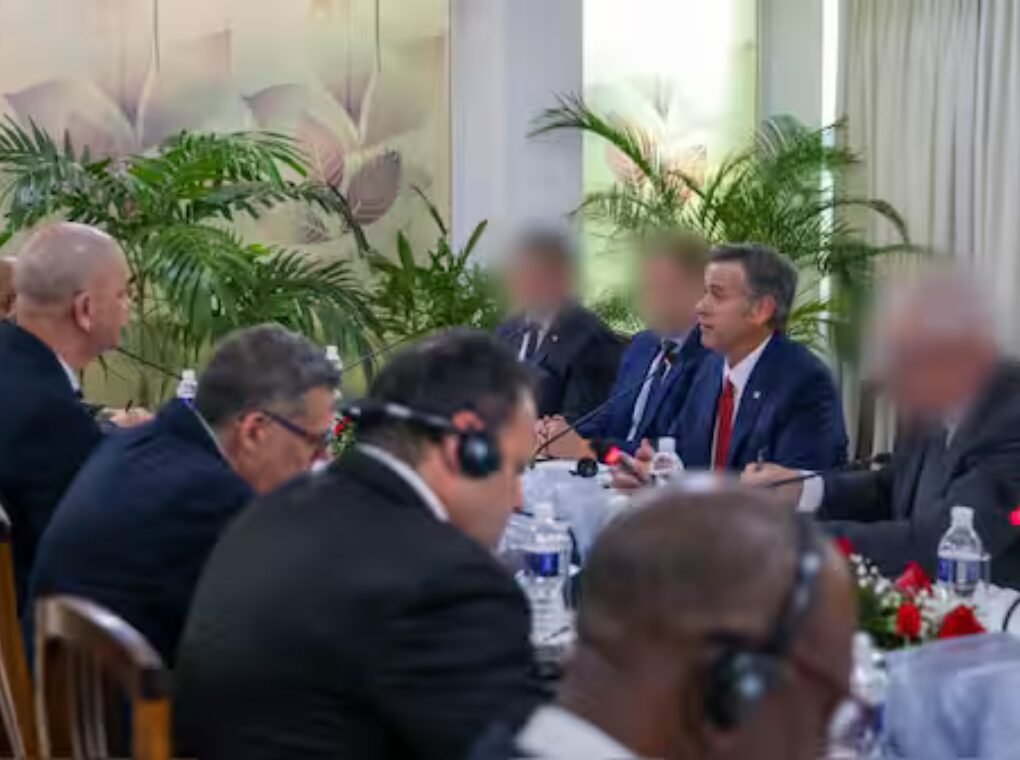
In a highly unusual diplomatic development, CIA Director John Ratcliffe reportedly traveled to Havana around May 14, marking one of the few visits by a sitting CIA chief since the 1959 Cuban Revolution.
According to reports, Ratcliffe met senior Cuban Interior Ministry officials as well as Raúl Guillermo Rodríguez Castro, the grandson of former Cuban leader Raúl Castro.
U.S. officials reportedly conveyed a message from President Donald Trump’s administration: Washington is prepared to explore economic and security engagement, but only if Havana embraces “fundamental changes” to its political and economic system.
The timing of the visit — coinciding with Cuba’s public admission of depleted fuel reserves — has fueled speculation that Washington sees an opening not available during previous decades of diplomatic stalemate.
$100 Million Humanitarian Offer
Alongside diplomatic outreach, the United States has reportedly offered $100 million in humanitarian assistance aimed at easing suffering among ordinary Cubans.
Unlike traditional state-to-state aid, the proposal would channel assistance through the Catholic Church and independent non-governmental organizations rather than the Cuban government itself. U.S. officials argue this structure would ensure supplies directly reach civilians while limiting state control over distribution.
A smaller aid package using similar mechanisms had reportedly been delivered earlier.
Cuban President Miguel Díaz-Canel responded cautiously, stating that humanitarian assistance “will encounter no obstacles or ingratitude” if conducted according to international norms.
While not an outright acceptance, the statement marked a notably pragmatic tone from a government historically resistant to U.S.-backed initiatives.
At the same time, Díaz-Canel reiterated Havana’s long-standing argument that lifting the American embargo would provide a far more meaningful solution to Cuba’s economic crisis.
A Humanitarian Crisis Meets Geopolitical Rivalry
The crisis unfolding in Cuba reflects far more than a temporary fuel shortage.
For years, the island has struggled with an inefficient state-run economy, deteriorating electrical infrastructure, declining tourism revenues, and dependence on subsidized foreign oil — particularly from Venezuela and Russia.
Meanwhile, the Trump administration has intensified economic pressure in 2026 through sanctions, restrictions on energy transactions, and measures aimed at discouraging third countries from supplying Cuba with oil.
Supporters of the policy argue economic pressure is necessary to encourage reform and weaken authoritarian control. Critics contend sanctions disproportionately hurt ordinary Cubans already struggling with shortages of food, medicine, and electricity.
The humanitarian impact is increasingly visible. Hospitals have reportedly delayed procedures due to unreliable electricity. Businesses remain shuttered for extended periods, and food spoilage has become widespread as refrigeration systems fail.
What Happens Next?
Despite growing speculation about a diplomatic breakthrough, analysts warn against assuming a sudden transformation in U.S.-Cuba relations.
The two countries have experienced cycles of engagement and confrontation before, from the Cold War freeze to the Obama-era thaw and later reversals. Cuba also maintains ties with partners including Russia and China, making a dramatic geopolitical realignment unlikely in the short term.
Still, Havana’s severe fuel shortage may force pragmatic decisions previously considered politically difficult.
Whether the current moment leads to meaningful reforms, temporary concessions, or simply another survival strategy remains uncertain.
For now, millions of Cubans continue waiting for electricity to return — while policymakers in Havana, Washington, and Moscow weigh what could become one of the most consequential turning points in U.S.-Cuba relations in decades.