Tensions between Russia and Armenia have escalated sharply after Moscow threatened to suspend a key natural gas agreement with Yerevan amid Armenia’s growing push toward closer integration with the European Union. The dispute signals a deepening geopolitical divide in the South Caucasus, where Russia increasingly sees Western influence expanding into what it has long considered its strategic sphere of influence.
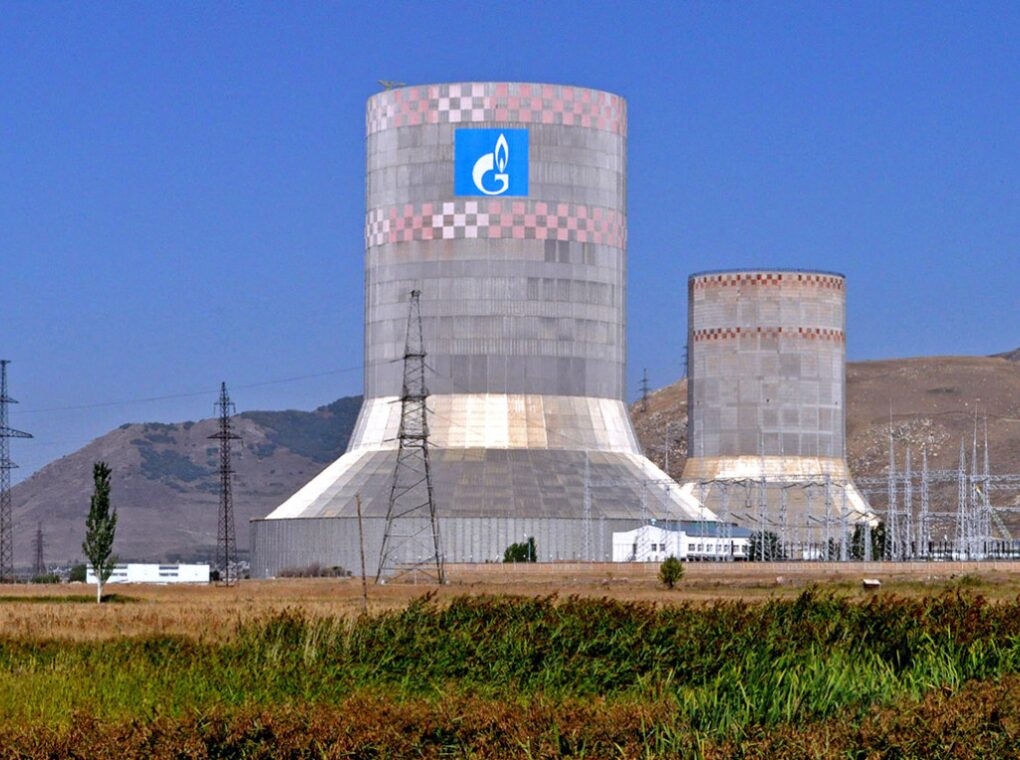
The diplomatic standoff erupted after Russian Foreign Ministry spokeswoman Maria Zakharova warned that Moscow could unilaterally terminate a 2013 bilateral agreement that guarantees Armenia duty-free supplies of natural gas, petroleum products, and rough diamonds. The agreement has long been considered one of the cornerstones of Armenia’s economic relationship with Russia, helping the landlocked Caucasus nation maintain affordable energy imports.
Zakharova issued the warning following reports that Armenian officials denied receiving an official communication from Russian Energy Minister Sergei Tsivilev regarding potential changes to the agreement. According to Moscow, the Russian Embassy in Yerevan had already delivered the letter, with Zakharova publicly criticizing Armenian authorities for what she suggested was poor internal communication.
The energy dispute comes at a politically sensitive moment for Armenia, where Prime Minister Nikol Pashinyan has increasingly distanced his government from Moscow while pursuing stronger political and economic ties with Europe.
Responding to Russia’s warning, Pashinyan dismissed the idea that Armenia could be pressured through energy pricing.
“It’s illogical to frighten Armenia with high prices,” the Armenian leader reportedly said, arguing that closer ties with the European Union could ultimately provide economic benefits that outweigh rising costs.
Pashinyan further emphasized Armenia’s growing economic and military independence from Russia, pointing to the expansion of the country’s domestic defense sector. According to Armenian officials, Yerevan has significantly increased military production and secured hundreds of millions of dollars in defense-related orders in recent years.
Russia Sees EU Expansion Into Its Strategic Backyard
The confrontation highlights Moscow’s broader concerns over what it views as Western encroachment into former Soviet territories.
For decades, Armenia remained one of Russia’s closest allies in the Caucasus, heavily dependent on Moscow for energy supplies, weapons, and security guarantees. The country is also a member of the Moscow-led Eurasian Economic Union (EAEU) and hosts a Russian military base on its territory.
However, relations between the two allies deteriorated dramatically after Azerbaijan regained control over Nagorno-Karabakh in 2023. Armenia openly criticized Russia and its peacekeeping forces for failing to prevent Baku’s military operation in the disputed region, leading to widespread public frustration toward Moscow.
Since then, Armenia has accelerated efforts to diversify its diplomatic and security partnerships, strengthening ties with European institutions while reducing reliance on Russian defense systems.
To the Kremlin, Armenia’s westward shift resembles a familiar geopolitical pattern.
Russian President Vladimir Putin has repeatedly warned that closer integration with European institutions could bring consequences similar to those experienced by Ukraine, which pursued deeper Western ties before relations with Moscow collapsed into open conflict following Russia’s invasion in 2022.
For Moscow, the concern is not merely economic but strategic. Armenia occupies a crucial position in the South Caucasus, bordering Turkey, Iran, Azerbaijan, and Georgia—making it an important geopolitical buffer zone for Russian influence.
The Kremlin fears that deeper EU engagement in Armenia could weaken Moscow’s leverage in the region and potentially reshape political alignments in the Caucasus.
Energy as a Tool of Influence?
Russia’s warning over gas supplies also revives long-standing debates over Moscow’s use of energy agreements as a geopolitical instrument.
Cheap Russian gas has historically been one of the strongest incentives keeping neighboring states economically tied to Moscow. Critics argue that Russia often leverages pricing, supply agreements, or energy dependency to maintain political influence across post-Soviet states.
Supporters of Moscow’s position, however, argue that Russia cannot be expected to subsidize countries that seek closer alignment with rival geopolitical blocs.
The standoff comes just weeks before parliamentary elections in Armenia, where Pashinyan’s Civil Contract party faces pressure from opposition groups that favor maintaining stronger ties with Moscow.
Political analysts say the energy dispute could become a major election issue, shaping public debate over whether Armenia’s future lies with Europe or within Russia’s traditional sphere of influence.
Meanwhile, Putin is expected to discuss Armenia’s EU ambitions during this week’s Eurasian Economic Union summit in Kazakhstan, where the issue could dominate regional diplomacy.
As Armenia balances its historical alliance with Russia against growing European aspirations, the latest gas dispute may mark another turning point in the geopolitical struggle for influence in the Caucasus.