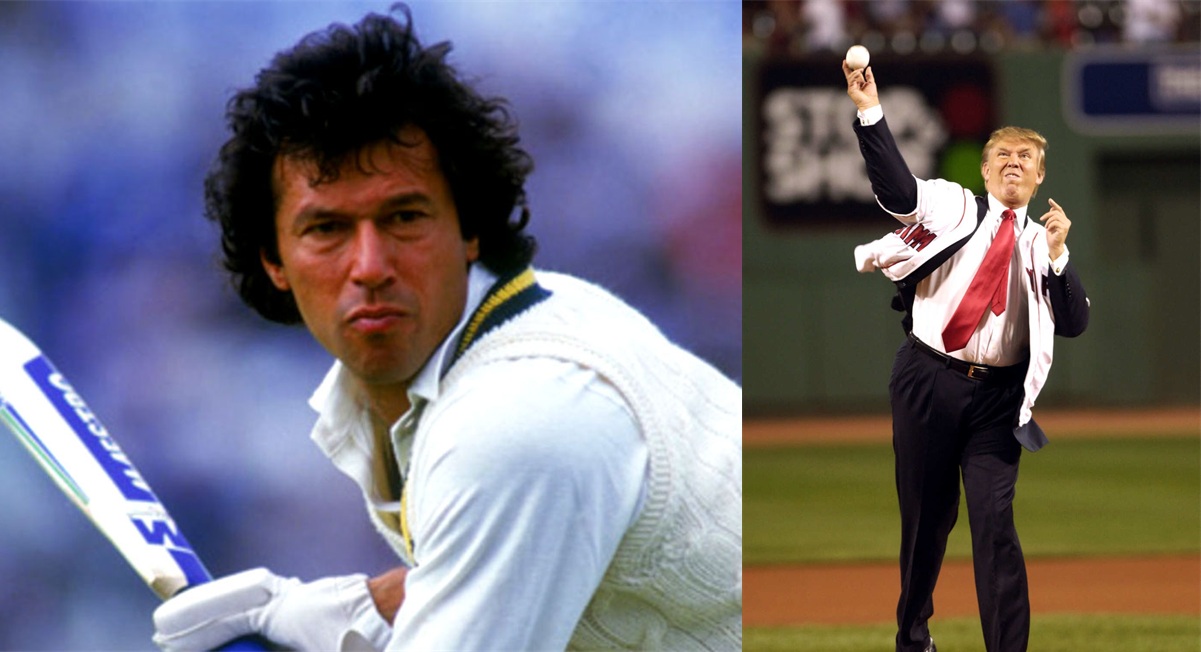
The US has bowled another googly before newly elected leader Imran Khan takes the helm of state affairs. The public finances of Pakistan are messed up and the country was expected to go to the International Monetary Fund (IMF) for loans. But US cautioned the IMF against a possible bailout of Pakistan. “Make no mistake, we will be watching what the IMF does,” US Secretary of State Mike Pompeo told CNBC in an interview. Pakistan is drawing up a plan to seek a $12 billion bailout package from the IMF.
The messed up public finances of Pakistan will be the main problem for newly elected Imran Khan who promised ‘Naya Pakistan’ to his electorates. A few months back China bailed out the country by giving one billion dollars to pay for its imports. Large capital flight has taken place from Pakistan due to political instability in the country since last one year. This left the country dried up with foreign exchange to finance it imports which are increasing due to projects like China-Pakistan Economic Corridor (CPEC) and burgeoning demand from urban middle class. There is no certainty in the policies of Pakistan because the governance of the country keeps changing hands between the Army and pseudo-democratic regimes. Foreign investors pulled out almost 857 billion Pakistani rupees (7 billion US Dollar) from the Pakistani stock exchange because they could not see any stability in the country. There is a serious balance of payments problem in the country as the imports are at an all-time high, while exports and foreign investments are very low. The elites of the country are laundering money outside the country, as a recent report by Swiss National Bank revealed that Pakistani people have more money deposited in Swiss banks than their Indian counterparts despite having a smaller economy.
Pakistan’s import bill rose significantly due to procurements for the One Belt One Road initiative’s infrastructure projects. Pakistan’s imports of machinery and transport equipment jumped 51 percent to US$15.5 billion. China loaned Pakistan’s Finance Ministry more than US$5 billion during the financial year 2017-18 and US$6 billion in financing for CPEC projects granted over the last two and a half years. China is the only country which is giving money to Pakistan since all the other sources of foreign funding have dried up. Pakistan has devalued its currency 13 percent against the dollar to keep increasing the exports and decrease the imports. However, their finances cannot be sustained for a long period through these methods. Sakib Sherani, a former adviser to the finance ministry, said “Pakistan must raise a further $28bn this financial year to keep up with debt repayments. It is vital to restoring the market’s confidence in Pakistan’s ability to keep up with its repayments.” The country will need structural economic reforms and political stability to reach financial stability.
Islamabad has so far avoided having to return to the IMF after exiting its last program in 2016. The US has stopped funding because it suspects that the country has failed to curb money laundering and terrorism financing. Its Middle Eastern allies do not give money because Pakistan refused to join the Saudi-led coalition in the war in Yemen. Now the country does not want even IMF to give money to Pakistan. “There’s no rationale for IMF tax dollars – and associated with that, American dollars that are part of the IMF funding – for those to go to bail out Chinese bondholders or China itself,” Pompeo said. The IMF has said that so far it has not received any such request from Pakistan. The country needs about $3 billion in the next few months to avoid defaulting on loans from the IMF, China, and the World Bank. Pompeo said he was looking forward to working with the new government. “There’s a new leadership in Pakistan, and we welcome engagement with them in a way that we think will benefit each of our two countries,” he said.
The problem with public finances is not expected to get solved in future because the campaign of Imran Khan has been populist in nature with promises like free healthcare and education. With no money in the government’s coffers, it will be interesting to see how Khan delivers on these promises. The socially conservative campaign of Khan, his support for military and Taliban, the populist promise might be among the reasons behind why the US does not want the IMF to bail out the country. But whatever the reasons, the road ahead for Imran Khan and Pakistani economy will be a tough ride.