TFIGlobal
TFIGlobal
TFIPOST English
TFIPOST हिन्दी
No Result
View All Result
  • Indo-Pacific
  • Americas
  • Canada
  • Indian Subcontinent
  • West Asia
  • Europe
  • Africa
  • The Caribbean
TFIGlobal
  • Indo-Pacific
  • Americas
  • Canada
  • Indian Subcontinent
  • West Asia
  • Europe
  • Africa
  • The Caribbean
No Result
View All Result
TFIGlobal
TFIGlobal
No Result
View All Result
  • Indo-Pacific
  • Americas
  • Canada
  • Indian Subcontinent
  • West Asia
  • Europe
  • Africa
  • The Caribbean

The German military is really in a bad state and it is now blaming the US for it

Kanika Batra Arora by Kanika Batra Arora
April 19, 2022
in Europe, Geopolitics
The German military is really in a bad state and it is now blaming the US for it

Source: The National Interest

Share on FacebookShare on X

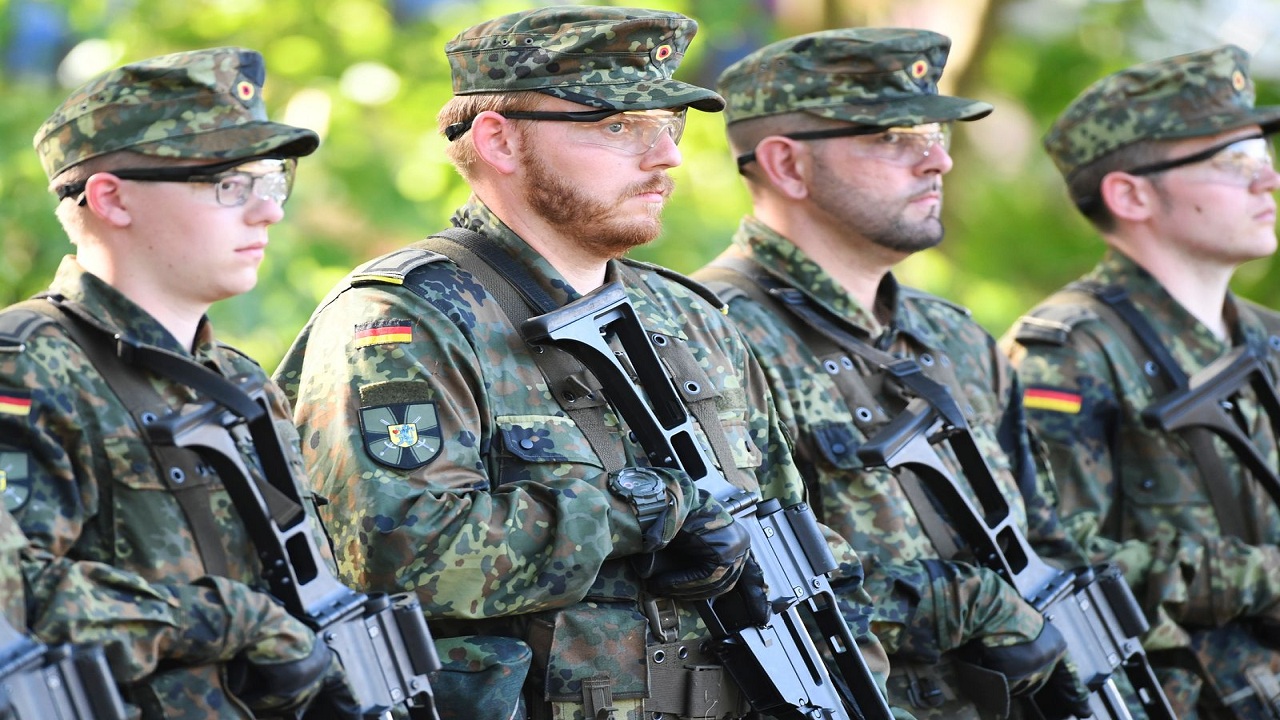
Germany is ostensibly the most powerful nation economically in the European Union, but it has yet to demonstrate its military might. Germany has always been expected to lead Europe in times of crisis, and it was anticipated to take the lead in assisting Ukraine during the Russia-Ukraine conflict. But it isn’t succeeding.

Halyna Yanchenko, a 33-year-old member of Ukraine’s Parliament, showcased his disappointment with Germany’s role in the war at a recent panel discussion about Europe after the Russian invasion of Ukraine.

Also Read

From Threats Of Seizure To A Signature: US Locks In A Permanent Grip On Greenland’s Defence With a New Deal

From Threats of Force to a Handshake: Trump Claims ‘Permanent’ Control Over Greenland’s Security

Turkey, Saudi Arabia and Pakistan Open First Defence Pact Talks as Saudi Refineries Burn

But why is Germany demonstrating its unwillingness to lead amid the Ukraine-Russia crisis? The answer rests in its pacifism doctrine, which was established during World War I under the ‘Treaty of Versailles’, engineered by the then-allied nations led by the United States.

Cathryn Cluver Ashbrook, a German-American political scientist, told The Indian Express that this unwillingness has its roots in World War II.
“This reluctance goes back to German history,” she said. The idea of “German tanks rolling through European streets, because of WWII, those were enormous taboos in the foreign policy context.”

Wolfgang Schmidt, who is the head of the Chancellery and Minister for Special Affairs, also admitted that this reluctance is not out of willingness but this is what Germany’s pacifist doctrine has been motivating to do so.

He said, “We are discussing all the questions on weapons and other support that we need to give. It is not because we don’t want (to do more), and it is not out of fear. But out of the responsibility that we have”.

Germany’s inclination towards pacifism
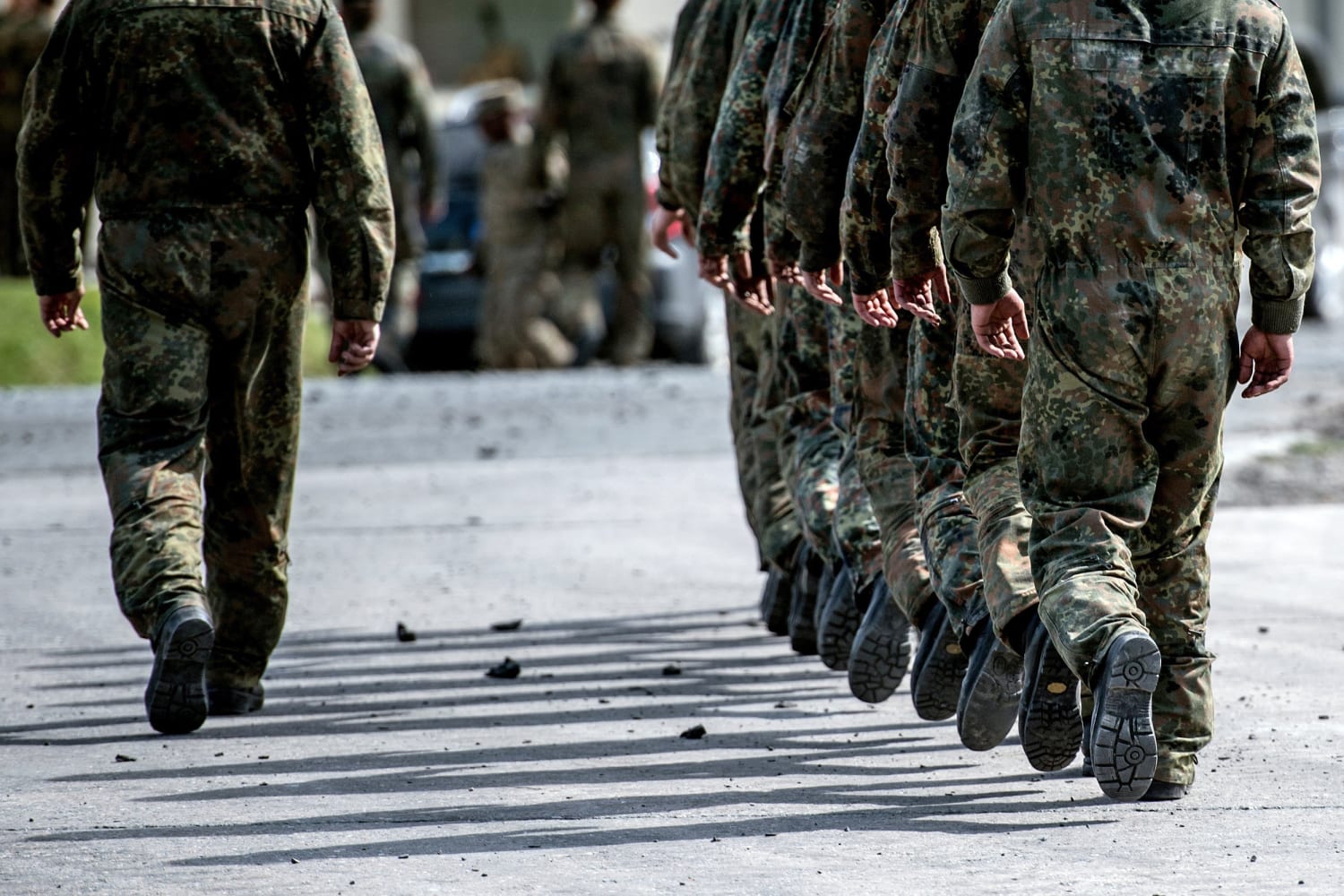
 

German Military Faces Overhaul in Wake of Far-Right Scandals
Credit – NBC News

For a long time, Germany adhered to pacifism and abandoned its military ambitions. Following World War I, various pacifist movements arose. However, under the Nazi regime, Germany quickly abandoned pacifism. With Adolf Hitler, pacifism took a back seat, and Germany regained its military prowess.

However, following Germany’s loss in World War II, pacifism gained popularity, and pacifist movements grew significantly in Germany. Germany strengthened militarily during the Cold War because West Germany was in the direct line of Russian fire. By 1990, it had more than 5,000 battle tanks, and some 500,000 personnel and was spending almost 3% of GDP on defence. Then the Berlin Wall fell and Germany reunified under the treaty of the final settlement. The treaty was signed between Germany and the four powers— the US, France, the soviet union and the UK, which had occupied Germany at the end of WW2.

Read More: Germany increases its defence budget

German military: combat ready? | Financial Times
Source- Financial Times

The treaty stipulated that Germany’s armed forces be limited to 370,000 men, with no more than 345,000 serving in the army and air force. It was not permitted to possess nuclear weapons. As a result, military spending plummeted, and the German army, the Bundeswehr, was reformed into a force capable of only limited expeditionary deployments. Also, following the Cold War, German governments did not prioritise defence, as they have been unwilling to see Russia re-emerge as a danger. Furthermore, the US-led NATO pledged to Germany of military aid whenever it was required.

The German military is outdated

However, as a result of its pacifist approach, its military is in shambles. At present, Germany which is the most advanced nation economically in Europe spends only 1.2 per cent of Germany’s GDP is spent on defence. A report released back in 2018 showed that less than half the country’s Leopard tanks, 12 out of 50 Tiger helicopters and only 39 of its 128 Typhoon fighter aircraft were fit for action.

The state of Germany’s military has deteriorated to the point where, in 2015, German troops were obliged to use broomsticks painted black instead of firearms during a joint NATO training exercise due to equipment shortages.  But now Germany needs to understand that Pacifism is an outdated concept. To regain its strong military as it is economically, it needs to abandon its pacifistic approach and according to what the contemporary world demands.


Tags: Berlin wallGermanyMilitaryNATOWorld War
ShareTweetSend
Kanika Batra Arora

Kanika Batra Arora

Associate Editor at TFIGlobal. An artist by god's grace, geopolitics enthusiast, sapiophile.

Also Read

Serbian President Aleksandar Vučić resigns stands at a lectern before a large crowd waving Serbian flags, with a government building illuminated at dusk in the background.

Vučić resigns as Serbia’s president to run for prime minister as student-led challenge builds

September 28, 2026
South Korean and Ukrainian leaders speak at separate podiums, with North Korean prisoners and soldiers between them, symbolising a diplomatic dispute over the transfer of captured North Korean troops to South Korea.

Seoul demands Kyiv apologise after Zelenskyy discloses North Korean POW transfer at UN

September 28, 2026
Israeli Prime Minister Benjamin Netanyahu speaks at the UN General Assembly as delegates walk out of the chamber, with some remaining delegates applauding.

Netanyahu Defends Iran and Gaza Wars in UN Speech as Delegates Walk Out

September 25, 2026
Donald Trump and Xi Jinping shake hands amid US-China flags, shipping containers, cargo ships, semiconductor chips and rare-earth minerals, symbolising trade tensions and fragile economic cooperation between the two countries.

Trump-Xi Trade Truce Extended to January, but 100% Tariff Threat Still Looms

September 24, 2026
US, Danish and Greenlandic leaders sign a security deal against a backdrop of Greenland's Arctic landscape and expanded US military infrastructure.

From Threats Of Seizure To A Signature: US Locks In A Permanent Grip On Greenland’s Defence With a New Deal

September 23, 2026
“Kim Jong Un watches North Korean ballistic missiles launch as Donald Trump and Xi Jinping face off against a backdrop of the US Capitol, highlighting tensions over North Korea’s missile tests and US-China diplomacy.”

Two Missiles, Three Hours: North Korea Fires a Warning as Xi Flies to Washington

September 22, 2026
Youtube Twitter Facebook
TFIGlobalTFIGlobal
Right Arm. Round the World. FAST.
  • About Us
  • Contact Us
  • TFIPOST – English
  • TFIPOST हिन्दी
  • Careers
  • Brand Partnerships
  • Terms of use
  • Privacy Policy

©2026 - TFI MEDIA PRIVATE LIMITED

Welcome Back!

Login to your account below

Forgotten Password?

Retrieve your password

Please enter your username or email address to reset your password.

Log In

Add New Playlist

No Result
View All Result
  • Indo-Pacific
  • Americas
  • Canada
  • Indian Subcontinent
  • West Asia
  • Europe
  • Africa
  • The Caribbean
TFIPOST English
TFIPOST हिन्दी

©2026 - TFI MEDIA PRIVATE LIMITED

This website uses cookies. By continuing to use this website you are giving consent to cookies being used. View our Privacy and Cookie Policy.