
TFIGlobal
TFIGlobal
TFIPOST English
TFIPOST हिन्दी
No Result
View All Result
  • Indo-Pacific
  • Americas
  • Canada
  • Indian Subcontinent
  • West Asia
  • Europe
  • Africa
  • The Caribbean
TFIGlobal
  • Indo-Pacific
  • Americas
  • Canada
  • Indian Subcontinent
  • West Asia
  • Europe
  • Africa
  • The Caribbean
No Result
View All Result
TFIGlobal
TFIGlobal
No Result
View All Result
  • Indo-Pacific
  • Americas
  • Canada
  • Indian Subcontinent
  • West Asia
  • Europe
  • Africa
  • The Caribbean

Israel has informed U.S. officials it is “fully ready” to launch an operation into Iran

Smriti Singh by Smriti Singh
June 12, 2025
in Geopolitics
Iran Shoots Down US B-2 Stealth Bomber? Full Escalation Breakdown of US-Israel-Iran War 2026

Iran Shoots Down US B-2 Stealth Bomber? Full Escalation Breakdown of US-Israel-Iran War 2026

Share on FacebookShare on X

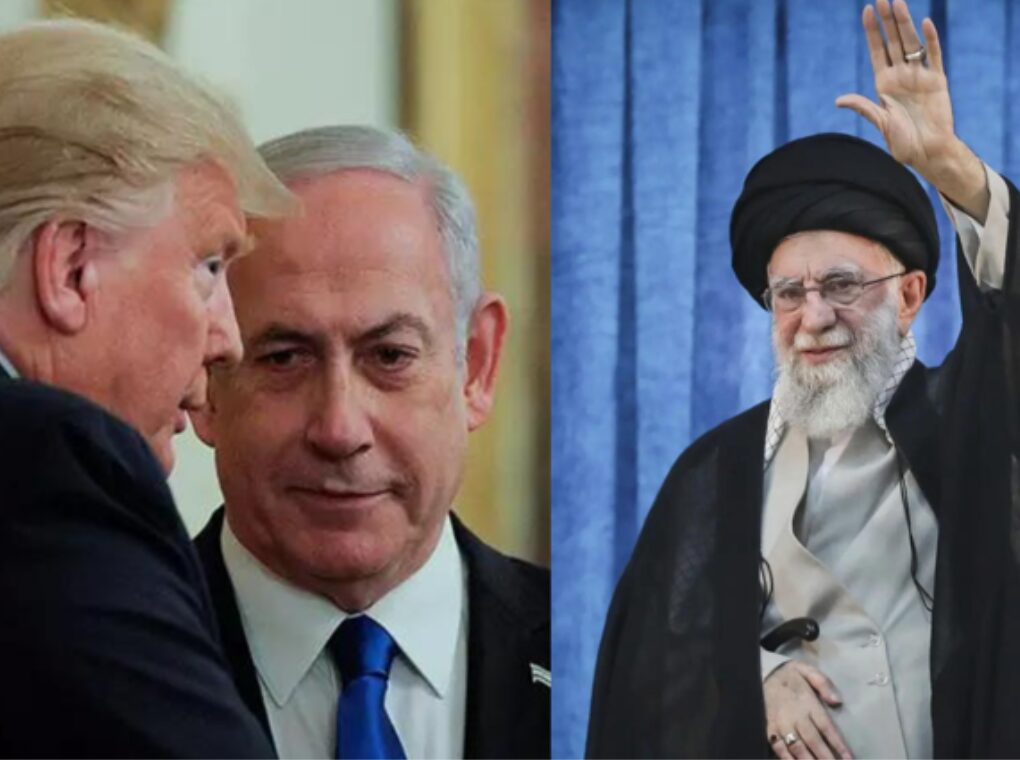
As Israel signals its readiness to strike Iran and Tehran escalates its warnings, the Middle East finds itself teetering dangerously close to a major conflict. This is not just another episode in the long, tense saga between Iran and Israel; this moment feels more like the climax. What is unfolding now may determine whether diplomacy still holds sway or whether the region descends into a catastrophic war.

The CBS News report that Israel has informed U.S. officials it is “fully ready” to launch an operation into Iran is a seismic development. It is not unprecedented for Israel to strike Iranian targets — covert operations, cyberattacks, and shadow warfare have been part of their playbook for years. But a full-scale military campaign? That would mark a historic and potentially region-defining escalation.

Also Read

US-Iran Nuclear Deal 2026: Trump Administration Pushes New Agreement as Critics Call It Weaker Than Obama-Era Pact

Iran Ready to Transfer Nuclear Material to Russia — But Is US Ready for This Move?

Iran Nuclear Deadline: Trump Gives Tehran 10–15 Days or Faces Strikes

The reasons behind Israel’s urgency are understandable. The International Atomic Energy Agency (IAEA) recently reported that Iran now possesses over 408 kilograms of uranium enriched to 60% purity. That’s perilously close to weapons-grade — and a significant increase in a short time. Israeli Prime Minister Benjamin Netanyahu has long warned that the world is underestimating how close Iran is to crossing the nuclear threshold. According to Netanyahu’s worldview, a nuclear-capable Iran is not just a threat — it’s an existential one.

In Washington, President Trump’s administration is walking a tightrope. While his envoy Steve Witkoff is still pursuing diplomatic talks, the situation may already be slipping beyond the reach of negotiation. Trump’s recent remarks — particularly his admission that he is “much less confident” about a nuclear deal now — indicate that even the administration’s optimism is waning. Diplomacy is faltering under the weight of Iran’s uranium enrichment and Israel’s mounting impatience.

Complicating matters further, Iran has begun jamming GPS signals in Iraqi airspace — a clear signal of preparation for possible retaliatory strikes. Iran’s Defense Minister Aziz Nasirzadeh was blunt: if conflict breaks out, U.S. bases across the region will be targeted. The U.S. military is already preparing, having ordered evacuations from Iraq, Bahrain, and Kuwait. This is not a drill. This is strategic maneuvering on the edge of a war.

And yet, one must ask: What’s the endgame?

For Israel, a successful strike might delay Iran’s nuclear capabilities, but it is unlikely to eliminate them. Iran’s nuclear infrastructure is widely dispersed, hardened, and partially underground. For Iran, retaliation would come at a steep price — but so would inaction, given the internal pressure from hardliners who see any concession as a sign of weakness.

The United States is caught in the middle. On one hand, it is the only power capable of restraining Israel and guaranteeing that diplomacy continues. On the other hand, its military presence in the region makes it a natural target if Iran decides to lash out.

At this point, war is not inevitable, but it is increasingly probable. What’s needed now is strategic clarity from all sides. The Trump administration must decide whether it will back Israel’s operation, try to stop it, or simply attempt to contain the fallout. Meanwhile, Tehran must decide whether its national interest lies in provoking a war or returning to the table with real concessions.

History will not be kind to those who chose escalation over negotiation without exhausting every diplomatic option. The clock is ticking — not just toward potential Israeli airstrikes, but toward a moment of irreversible regional destabilization. Everyone involved should remember that in the age of modern warfare and nuclear ambition, a miscalculation is not just a mistake — it’s a catastrophe.

 

Tags: Iran Nuclear DealIran-Israel conflict
ShareTweetSend
Smriti Singh

Smriti Singh

Endlessly curious about how power moves across maps and minds

Also Read

A military satellite orbiting above Earth, with other satellites in the distance and a blue beam linking two spacecraft, symbolizing the growing space weapon and the emerging US-Russia-China orbital rivalry

Washington Finally Says It Out Loud: America Has Weapons in Space

September 15, 2026
A US dollar bill breaking apart beside BRICS flags, a glowing globe, cargo ship and stacks of currencies, symbolising de-dollarisation and the shift toward a multipolar financial system.

BRICS De-Dollarisation: Is the World Leaving the Dollar?

September 13, 2026
BRICS emblem above an empty international summit table, with a global trade port, UN-style building, currency, justice scales and critical minerals symbolising geopolitics and multilateral cooperation

BRICS Declaration Backs South Africa’s G20 Seat and Criticises Tariffs, Without Naming any Country

September 13, 2026
“Cinematic depiction of China–Iran–US tensions, showing Xi Jinping and Donald Trump flanking a reconnaissance satellite surveying a military air base, with Iranian ballistic missiles launching in the background.”

Chinese Eyes, Iranian Missiles: Us Traces A Satellite Trail To The Attack iJordan

September 13, 2026
Indian Prime Minister Narendra Modi and Chinese President Xi Jinping shake hands during a formal diplomatic meeting, with the Indian and Chinese flags displayed behind them.

Modi and Xi Met for Under an Hour. Their Governments Told Two Different Stories

September 13, 2026
Kim Jong Un watches missiles launches as U.S., Japanese and South Korean warships patrol the sea, with Trump and Iran's leadership depicted amid a backdrop of military escalation and conflict.

North Korea Fires Missiles Into the Sea as Washington’s War on Iran Grinds On

September 13, 2026
Youtube Twitter Facebook
TFIGlobalTFIGlobal
Right Arm. Round the World. FAST.
  • About Us
  • Contact Us
  • TFIPOST – English
  • TFIPOST हिन्दी
  • Careers
  • Brand Partnerships
  • Terms of use
  • Privacy Policy

©2026 - TFI MEDIA PRIVATE LIMITED

Welcome Back!

Login to your account below

Forgotten Password?

Retrieve your password

Please enter your username or email address to reset your password.

Log In

Add New Playlist

No Result
View All Result
  • Indo-Pacific
  • Americas
  • Canada
  • Indian Subcontinent
  • West Asia
  • Europe
  • Africa
  • The Caribbean
TFIPOST English
TFIPOST हिन्दी

©2026 - TFI MEDIA PRIVATE LIMITED

This website uses cookies. By continuing to use this website you are giving consent to cookies being used. View our Privacy and Cookie Policy.