TFIGlobal
TFIGlobal
TFIPOST English
TFIPOST हिन्दी
No Result
View All Result
  • Indo-Pacific
  • Americas
  • Canada
  • Indian Subcontinent
  • West Asia
  • Europe
  • Africa
  • The Caribbean
TFIGlobal
  • Indo-Pacific
  • Americas
  • Canada
  • Indian Subcontinent
  • West Asia
  • Europe
  • Africa
  • The Caribbean
No Result
View All Result
TFIGlobal
TFIGlobal
No Result
View All Result
  • Indo-Pacific
  • Americas
  • Canada
  • Indian Subcontinent
  • West Asia
  • Europe
  • Africa
  • The Caribbean

China’s infamous debt-trap policy has made Chinese companies untouchable

Japan, India are better options

Akshay Narang by Akshay Narang
December 24, 2020
in Indo-Pacific
China, Hong Kong, Companies

(PC: Finance Twitter)

Share on FacebookShare on X

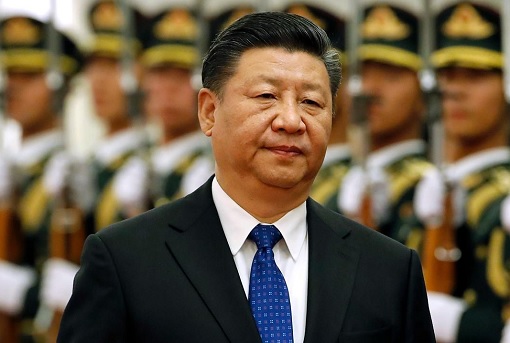
China’s infamous debt-trap policy which was initially helping the paper dragon in making commercial invasions into strategically-located nations is now backfiring against Beijing. As Chinese projects come to get associated with Beijing’s debt-trap policy, Chinese companies and infrastructure builders themselves are becoming untouchable. 

Take Manila’s first-ever subway system, for example. Japanese trading house Sumitomo Corp. and an East Japan Railway unit announced on Monday that they won $556 million order for 

Also Read

Zelensky’s Shocking Military Move: Butcher or Savior? Meet Ukraine’s New Commander-in-Chief!

Jamaica’s one Trillion Dollar Budget: Is Holness Planning to Colonize Mars?

St. Lucia to become the Taiwan of the West

supply of 240 train cars that will serve the upcoming subway system. The Rodrigo Duterte administration in the Philippines has chosen Japanese companies over China for the supply of train cars, even though Beijing is known to supply cheaper equipment in both high-speed and standard rail projects.  

So, the Philippines is ready to buy Japanese train cars as opposed to those manufactured by Chinese companies. However, Beijing has been hard-selling its trainsets and rail technology as cheaper and more affordable. 

Also, Duterte doesn’t seem to care for his seemingly close relationship with Beijing, while awarding the key project to Japanese companies. Also, the Manila subway is no ordinary project- it is the centrepiece of the “Build, Build, Build” infrastructure initiative led by President Rodrigo Duterte.

Moreover, the Philippines President used to justify his China pivot on the pretext of securing Chinese investments. However, now Manila no longer seems to care for Chinese investments or BRI projects. Duterte is now ready to dump China in favour of Japan. And it is the Chinese debt-trap policy, which is to be blamed for the apparent fallout between Beijing and Manila. 

However, this isn’t the first time that a country has refused to partner with Chinese companies in infrastructure projects. Throughout this year, countries across South and Southeast Asia have chosen alternatives to Chinese investment in infrastructure projects. 

Earlier this year, it was reported that Jakarta was mulling roping Japan in Kereta Cepat Indonesia China (KCIC), an Indonesia-China consortium to develop the Jakarta-Bandung high-speed railway. 

Recently, Malayasia also kicked China out of a $10 billion project for the construction of economic zones, hotels, luxury housing, and various tourist attractions in an area spreading over 246 hectares. Similarly, Bangladesh has dumped the BRI and has evinced interest in the India-Myanmar-Thailand Highway project under construction.

Similarly, Myanmar too is developing cold feet about Chinese President Xi Jinping’s Belt and Road Initiative. The Burmese government has been apprehensive about the unsustainable debt inherently involved in BRI projects. 

Countries in need of infrastructure have clearly started treating Chinese infrastructure companies as untouchable. They understand the perils of Chinese debt even where the ostensible cost of Chinese equipment is lower. So, countries across South and Southeast Asia prefer alternatives like Japan and India over China, in order to avoid the infamous Chinese debt trap. 

Tags: Short takes
ShareTweetSend
Akshay Narang

Akshay Narang

Patriot, Political Analyst, International Relations expert

Also Read

A dramatic cyberwarfare illustration showing a shadowy hacker from China launching digital attacks from red-lit servers toward major US government, scientific and industrial facilities, with blue shields marking defended targets and red broken locks indicating compromised systems.

From Victims to Targets: US Quietly Edits Its Chinese Hacking Claims

August 30, 2026
A hooded hacker sits before multiple computer screens as images of the U.S. Capitol, NASA, federal institutions, servers and network data surround them, symbolising a Chinese-linked cyber-espionage hacking campaign targeting American government agencies.

Eight Years in the Dark: Chinese Hacking Campaign Reached NASA, the Fed, and the US Senate

August 27, 2026
A hypersonic glide vehicle streaks through the upper atmosphere as it launches a missile toward a US AWACS radar aircraft, with tanker and support aircraft flying in the distance above dramatic cloud cover.

China’s Hypersonic Gliders Can Now Shoot at Aircraft — And America’s Radar Planes Are the Target

August 25, 2026
A dramatic collage showing Hui Ka Yan in the foreground, Evergrande’s rise symbolised by a luxury skyscraper, car and stacks of cash, and China’s property crisis represented by unfinished buildings, rubble, displaced families and a prison cell. Evergrande founder life sentence

From China’s Richest Man to a Prison Cell: The Evergrande Founder’s Life Sentence Explained

August 24, 2026
A container ship sails through icy Arctic waters toward a snow-covered coastal port, surrounded by floating sea ice and towering mountains under a dramatic sunset.

A Ship Sails North, and the China-Russia Arctic Shipping Route Comes Alive

August 22, 2026
Conceptual illustration of Chinese data infrastructure feeding into a central artificial intelligence system, with glowing data streams spreading toward chatbots and users worldwide, symbolising China’s growing influence over AI training data and information ecosystems.

Explainer: How China Plans to Shape What the World’s AI Knows

August 22, 2026
Youtube Twitter Facebook
TFIGlobalTFIGlobal
Right Arm. Round the World. FAST.
  • About Us
  • Contact Us
  • TFIPOST – English
  • TFIPOST हिन्दी
  • Careers
  • Brand Partnerships
  • Terms of use
  • Privacy Policy

©2026 - TFI MEDIA PRIVATE LIMITED

Welcome Back!

Login to your account below

Forgotten Password?

Retrieve your password

Please enter your username or email address to reset your password.

Log In

Add New Playlist

No Result
View All Result
  • Indo-Pacific
  • Americas
  • Canada
  • Indian Subcontinent
  • West Asia
  • Europe
  • Africa
  • The Caribbean
TFIPOST English
TFIPOST हिन्दी

©2026 - TFI MEDIA PRIVATE LIMITED

This website uses cookies. By continuing to use this website you are giving consent to cookies being used. View our Privacy and Cookie Policy.