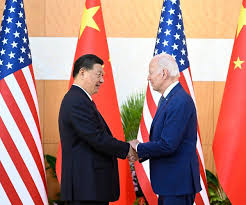
US-China Relations in 2024: Navigating Subdued Tensions:
In 2024, tensions between the US and China have remained unresponsive. Despite the uncertainties surrounding the US election, Washington’s attention has predominantly centered on Israel and Ukraine. The meeting between Joe Biden and Xi Jinping in San Francisco has contributed to a relatively calm atmosphere between the two nations. The traditional geopolitical strains appear muted for now, with a notable shift in focus away from the US-China dynamic. This tranquillity contrasts with the broader international landscape, where other issues have taken precedence. The political climate in Washington has, for the time being, diverted attention from potential conflicts, fostering a sense of stability in the relations between the US and China.
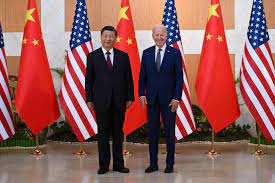
Though, this apparent tranquillity does not signify an absence of underlying dynamics. Despite the avoidance of overt hostility between the US and China at a high diplomatic level, Washington’s commitment to decrease Beijing’s influence persists. At the same time, there is an unwavering dedication to strategic preparations for a potential conflict over Taiwan. The current period of calm should not be misconstrued as a decline in the strategic ambitions of Washington; rather, it reflects a temporary hiatus in overt tensions. The subtle currents beneath the surface reveal a continued strategic posture of the US in its efforts to navigate and manage its relationship with China, with a keen focus on geopolitical considerations related to Taiwan.
Join us on Telegram: https://t.me/tfiglobal
Kinmen’s Strategic Significance in US-Taiwan Relations:
The present situation denotes the permanent placement of US special forces on Kinmen, an island under the governance of Taiwan, where they are actively involved in the training of local military personnel. Kinmen holds strategic significance as the last territory aligned with Taiwan, officially named ‘the Republic of China,’ and can be considered an extension of the mainland still under Taiwanese rule. Situated approximately 20 miles off the Fujian province’s coast, Kinmen’s isolation from Taiwan proper has made it a historical target for Chinese reprisals against Taipei, particularly during the Mao era. This geographical context underscores the island’s vulnerability and its role in the broader regional dynamics between Taiwan and China.
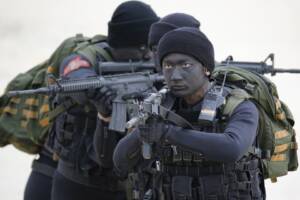
In strategic analysis, it is indicated that Beijing would likely prioritize the seizure of Kinmen Island as a crucial strategic objective, establishing it as a pivotal stepping stone and primary line of defense. Despite the US’s formal commitment in the 1972 communique with China, pledging not to station soldiers on the island, a nuanced shift is evident. The US has gradually undermined its observance of the One-China policy by providing increasing military assistance to Taipei. Despite the assertion of not supporting independence, the US strategy ostensibly aligns with maintaining the ‘status quo’ and opposing the use of force while subtly altering dynamics to Favor Taiwan, thereby obstructing reunification on Beijing’s terms.
Read More: Is the US pushing China out of the Internet?
Taiwan Strait Dynamics: Navigating US-China Relations:
The effective management of Chinese influence in the Taiwan Strait has been facilitated by the Democratic Progressive Party’s (DPP) sustained electoral successes in Taiwan, even in the face of losing control of the island’s legislative Yuan. The DPP’s ability to consistently secure electoral victories underscores its resilience and political influence, contributing to the overall strategy of restraining China’s impact in the region. Despite the DPP’s political success, China remains steadfast in its insistence on reunification, signaling a willingness to resort to force if necessary. To counter this, China has increased pressure on Taiwan, advancing its military presence and capabilities in the region. In response, the United States has escalated arms sales to Taipei, strategically aiming to impede any shift in the balance of power.
Read More: Congresswoman rips into Biden, accusses him of running a “crackpot environmental project” for China
Amidst the present diminished levels of tension between the United States and China, the enduring Taiwan issue persists, marked by nuanced developments concealed beneath the surface. The forthcoming inauguration of the assertive pro-independence president, William Lai, augurs a period of sustained diplomatic intricacies, with neither side anticipated to substantially shift its stance. The United States, while refraining from overly dramatic gestures, is poised to persist in adopting incremental measures aimed at reshaping the status quo. These strategic actions are designed to impede reunification efforts and temper China’s overarching regional ambitions. The inevitability of such persistent efforts by the United States necessitates strategic contemplation by Beijing, prompting a reassessment of potential consequences and the formulation of counterstrategies.