TFIGlobal
TFIGlobal
TFIPOST English
TFIPOST हिन्दी
No Result
View All Result
  • Indo-Pacific
  • Americas
  • Canada
  • Indian Subcontinent
  • West Asia
  • Europe
  • Africa
  • The Caribbean
TFIGlobal
  • Indo-Pacific
  • Americas
  • Canada
  • Indian Subcontinent
  • West Asia
  • Europe
  • Africa
  • The Caribbean
No Result
View All Result
TFIGlobal
TFIGlobal
No Result
View All Result
  • Indo-Pacific
  • Americas
  • Canada
  • Indian Subcontinent
  • West Asia
  • Europe
  • Africa
  • The Caribbean

Zelensky’s Hypocritical Critique of Modi: A Diplomatic Misstep

Vishakha Srivastava by Vishakha Srivastava
August 24, 2024
in Geopolitics
Zelensky’s Hypocritical Critique of Modi: A Diplomatic Misstep
Share on FacebookShare on X

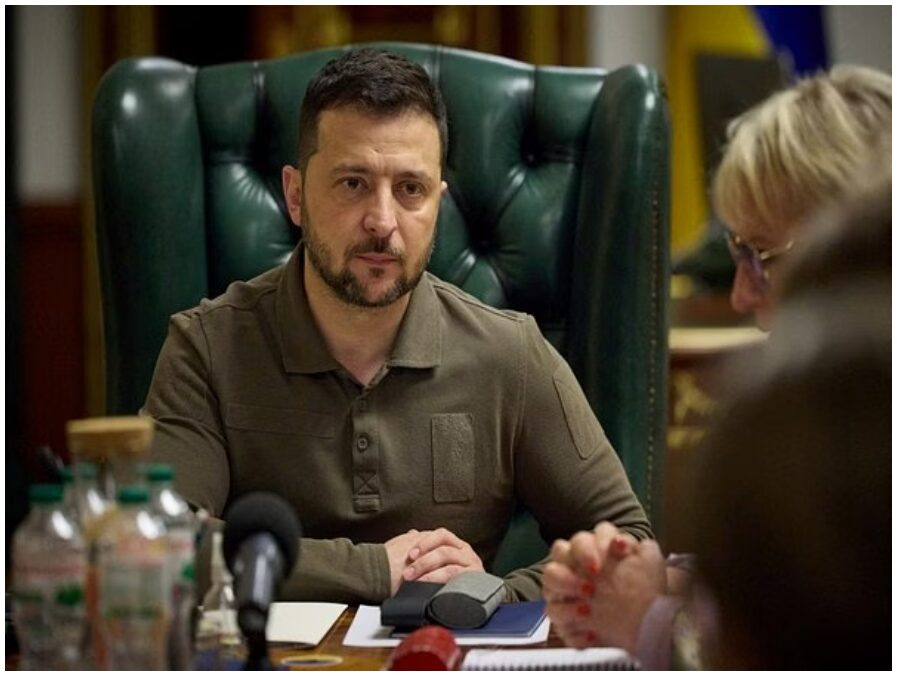
In recent remarks, Ukrainian President Volodymyr Zelensky’s comments on Indian Prime Minister Narendra Modi’s visit have not only stirred significant controversy but also highlighted a troubling trend in diplomatic conduct. Zelensky’s criticisms of India for continuing to purchase Russian oil have drawn substantial backlash, revealing a tone of unwarranted entitlement and hypocrisy that undermines genuine diplomatic engagement.

Zelensky’s repeated chiding of India over its oil purchases, especially during Modi’s high-profile visit to Ukraine, appears to be less about constructive dialogue and more about leveraging the situation for political gain. For months, India has maintained a clear stance on its energy security needs amidst global volatility, articulating its position with considerable clarity. The timing of Zelensky’s critique—during Modi’s visit intended to foster dialogue and explore avenues for peace—was not just ill-timed but dismissive of India’s diplomatic efforts and strategic autonomy.

Also Read

Russia’s oil exports surge as India, China outsmart U.S. sanctions through ‘unknown Asia’ and shadow fleets.

G7 pledges strict sanctions on Russian oil buyers, putting China and India under scrutiny, as the group aims to cripple Moscow’s revenues and tighten pressure over the Ukraine war.

Why G7 and EU Are Choosing India Over Trump in Russia Oil Standoff? 

Further exacerbating the situation, Zelensky accused Russian President Vladimir Putin of showing disrespect towards Modi by bombing a children’s hospital in Kyiv during his visit. While the bombing of civilian targets is indeed a grave violation of international norms, Zelensky’s framing of these events appears to be an opportunistic attempt to gain sympathy and reinforce a narrative against Russia. This approach seems to overlook a critical point: Zelensky himself has recently ordered strikes on targets within Russia, a move that many might view as similarly provocative and destructive.

This selective outrage and the portrayal of Putin’s actions as uniquely disrespectful while ignoring Ukrainian actions that also escalate the conflict suggest a double standard. Zelensky’s criticisms not only undermine the nuanced nature of international diplomacy but also display a troubling degree of hypocrisy. By focusing on Putin’s actions while conveniently sidelining Ukraine’s own military tactics, Zelensky risks portraying himself as more interested in scoring political points than in genuine peace-building.

Moreover, Zelensky’s outright rejection of Modi’s peace initiative and his insistence that any future peace plans must align with Ukraine’s principles reflect a rigid and somewhat unrealistic stance. His statement that future peace summits, potentially hosted in India, would be conditional upon India’s alignment with previous summit agreements is condescending and undermines India’s role in global diplomacy. This kind of dictatorial rhetoric does not foster collaborative dialogue but rather seeks to impose unilateral conditions that disregard the complexities of international relations.

Zelensky’s demand for India to unequivocally side with Ukraine, rather than maintaining a balanced approach, suggests a form of diplomatic coercion. This attitude not only disregards India’s strategic interests and sovereign policies but also illustrates a form of “entitlement politics” that fails to appreciate the multi-faceted nature of global diplomacy.

Well, Zelensky’s recent comments reflect a concerning pattern of hypocrisy and disrespect in international relations. His criticisms of Modi and India, framed within the context of his own questionable actions and strategic demands, suggest a troubling disregard for the principles of mutual respect and constructive engagement. Genuine diplomacy requires a balanced approach, recognition of different national interests, and a commitment to meaningful dialogue—qualities that Zelensky’s recent rhetoric appears to notably lack.

Tags: Diplomatic controversyGlobal diplomacyIndia Russia oilinternational relationsModi peace effortsModi Ukraine visitRussia-Ukraine conflictUkraine-India relationsZelensky hypocrisyZelensky remarks
ShareTweetSend
Vishakha Srivastava

Vishakha Srivastava

Seasoned Digital Marketing Professional | Manage Business Development Operations at TFI Media

Also Read

US, Danish and Greenlandic leaders sign a security deal against a backdrop of Greenland's Arctic landscape and expanded US military infrastructure.

From Threats Of Seizure To A Signature: US Locks In A Permanent Grip On Greenland’s Defence With a New Deal

September 23, 2026
“Kim Jong Un watches North Korean ballistic missiles launch as Donald Trump and Xi Jinping face off against a backdrop of the US Capitol, highlighting tensions over North Korea’s missile tests and US-China diplomacy.”

Two Missiles, Three Hours: North Korea Fires a Warning as Xi Flies to Washington

September 22, 2026
US, Danish and Greenland leaders shake hands during a security agreement signing, with Arctic glaciers, military facilities, naval vessels and national flags in the background.

From Threats of Force to a Handshake: Trump Claims ‘Permanent’ Control Over Greenland’s Security

September 19, 2026
Donald Trump signs a Russia sanctions law as oil tankers and refineries symbolise growing US pressure on Russian energy buyers India and China, with Putin, Modi and Xi depicted amid a tense global energy standoff.

Trump signs Russia sanctions law, hangs a 100 per cent tariff sword over India and China

September 19, 2026
Canadian Prime Minister Mark Carney and European Commission President Ursula von der Leyen shake hands amid Canadian and EU flags, while Donald Trump stands near the US Capitol and cargo containers, symbolising Canada’s closer ties with Europe amid US tariff tensions. EU.

Europe opens its door, Trump threatens tariffs: Carney embraces EU associate membership offer

September 18, 2026
F-35 stealth fighter at a Saudi airbase, symbolising the proposed US-Saudi defence deal amid tensions over China’s access to advanced American military technology.

“Crown jewels” for Riyadh? US clears $24.3bn F-35 sale despite China spying fears

September 18, 2026
Youtube Twitter Facebook
TFIGlobalTFIGlobal
Right Arm. Round the World. FAST.
  • About Us
  • Contact Us
  • TFIPOST – English
  • TFIPOST हिन्दी
  • Careers
  • Brand Partnerships
  • Terms of use
  • Privacy Policy

©2026 - TFI MEDIA PRIVATE LIMITED

Welcome Back!

Login to your account below

Forgotten Password?

Retrieve your password

Please enter your username or email address to reset your password.

Log In

Add New Playlist

No Result
View All Result
  • Indo-Pacific
  • Americas
  • Canada
  • Indian Subcontinent
  • West Asia
  • Europe
  • Africa
  • The Caribbean
TFIPOST English
TFIPOST हिन्दी

©2026 - TFI MEDIA PRIVATE LIMITED

This website uses cookies. By continuing to use this website you are giving consent to cookies being used. View our Privacy and Cookie Policy.