Burkina Faso’s military-led government has officially severed diplomatic relations with France, signaling a historic and dramatic rupture with its former colonial ruler as tensions between the two nations continue to deteriorate.
The announcement was made Friday evening through a formal statement broadcast on the national television network RTB and later released by the Burkinabe government’s official information service. Authorities confirmed that the diplomatic break took immediate effect on June 26.
The decision marks one of the most significant geopolitical realignments in West Africa in recent years, as Burkina Faso joins neighboring Mali and Niger in distancing itself from Paris and reshaping regional alliances.
Burkina Faso Accuses France of Interference
In its official statement, Burkina Faso accused France of interfering in its internal affairs and pursuing what it described as “imperialist ambitions” aimed at undermining the country’s sovereignty.
Burkinabe Communications Minister Gilbert Ouedraogo said the essential foundations for diplomatic engagement had collapsed.
> “The essential conditions for promoting relations based on mutual respect, reciprocal trust, non-interference in internal affairs, and national sovereignty are no longer in place,” Ouedraogo stated.
The government further alleged that Paris has supported “subversive networks” and armed groups operating in the region — accusations France has consistently denied.
Diplomatic Break Does Not Affect Civilian Relations
Despite the sharp diplomatic split, Burkina Faso clarified that the decision applies strictly to state-to-state relations and does not affect historical, cultural, or social ties between the Burkinabe and French populations.
Authorities also assured that French nationals and expatriates living in Burkina Faso would continue to receive full legal protection and security guarantees.
“The historical, human, cultural and social ties between the people of Burkina Faso and France remain intact,” the government noted.
Fallout of the 2022 Military Coup
Relations between Paris and Ouagadougou have steadily worsened since Captain Ibrahim Traore seized power in a military coup in September 2022.
Since then, Burkina Faso has expelled French military forces, suspended bilateral aid cooperation, and restricted Western media operations. The military government has increasingly positioned itself as a defender of national sovereignty against what it calls foreign interference.
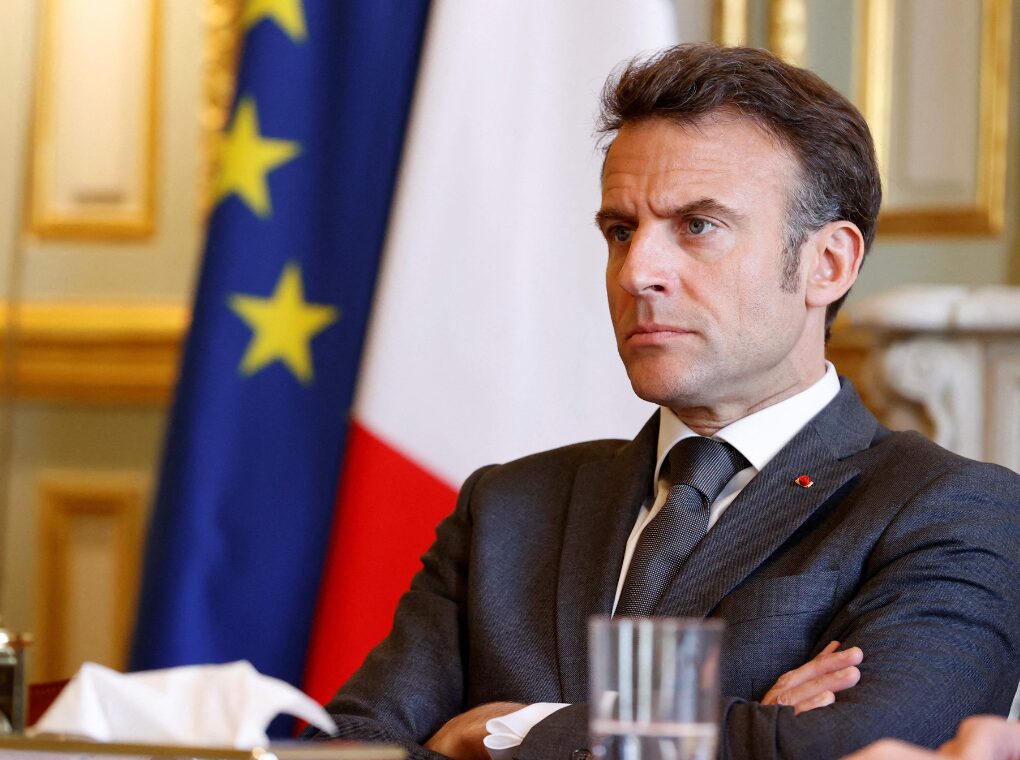
France, under President Emmanuel Macron, has repeatedly criticized military-led governments across the Sahel and backed international efforts to restore civilian rule.
France Losing Ground in West Africa
Burkina Faso’s move represents another diplomatic setback for France in West Africa, where anti-French sentiment has surged amid ongoing security crises.
Alongside Mali and Niger, Burkina Faso has become part of a broader regional push to reduce French influence. All three countries have expelled French troops and accused Paris of failing to curb Islamist insurgencies while allegedly exacerbating instability.
The shift has opened space for new security and economic partnerships, with Burkina Faso signaling plans to strengthen ties with emerging global powers and expand South-South cooperation.
Security Crisis Continues to Escalate
The diplomatic rupture comes as Burkina Faso faces one of its worst security crises in decades. Large areas of the country remain under threat from extremist groups linked to al-Qaeda and Islamic State.
The two most active groups — Jama’at Nusrat al-Islam wal-Muslimin (JNIM) and Islamic State Sahel Province (ISSP) — continue to exploit porous borders with Mali and Niger, creating a wider regional conflict zone across the Sahel.
Their expanding influence has disrupted agriculture, trade routes, and civilian life, further challenging the military government’s authority.
A New Foreign Policy Era
With diplomatic relations now formally cut, Burkina Faso appears set to deepen its strategic pivot away from Western powers.
Analysts say the decision reflects a broader transformation underway across the Sahel, where military governments are redefining alliances, prioritizing sovereignty, and seeking alternative international partnerships amid persistent instability.
For France, the move underscores its rapidly shrinking influence in a region once considered central to its African policy.